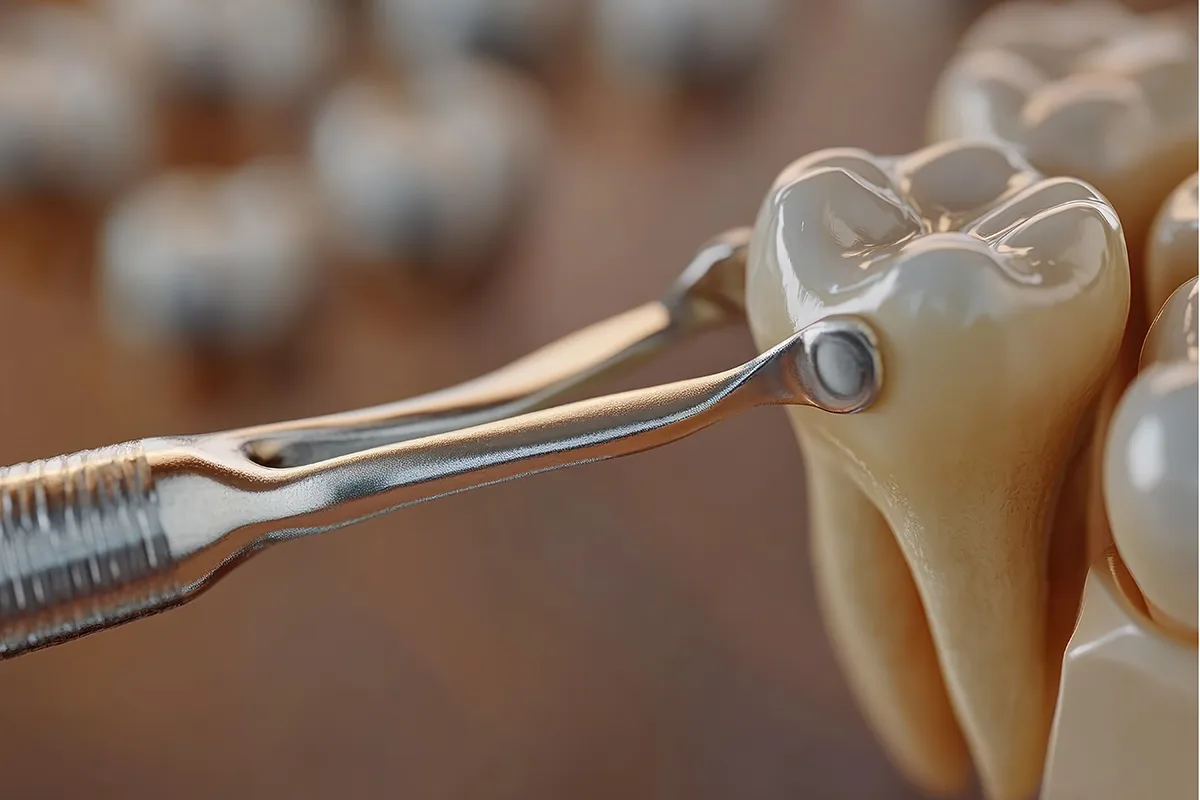
Wisdom teeth (third molars) are often the last teeth to erupt, and they frequently cause problems like pain, infection, and shifting of other teeth due to lack of space. At Dr 7 Family Dentistry, we specialize in the comfortable and safe surgical removal of problematic wisdom teeth. We use advanced imaging and offer personalized sedation options to ensure the procedure eliminates future complications and protects the long-term health and alignment of your smile.
Wisdom teeth removal is a routine surgical procedure to extract the four molars located at the back corners of the mouth (the third molars). Extraction is typically recommended when these teeth are:
The procedure is carefully planned and performed under strict safety protocols.
Removes the source of chronic pain, inflammation, and dangerous recurring infections associated with partially erupted or impacted teeth.
Stops the wisdom tooth from pressing against the valuable second molars, preventing potential root erosion and decay.
Removes the pressure that can cause teeth to shift and crowd after prior orthodontic treatment, preserving alignment.
Impacted wisdom teeth can lead to the development of fluid-filled sacs (cysts) or tumors in the jawbone, which are prevented by extraction.
We utilize modern technology and sedation to make your wisdom tooth removal as comfortable as possible:
We take precise digital X-rays and often a 3D Cone Beam CT scan to map the exact position of the tooth roots and their proximity to vital structures, like the nerves and sinuses. We then discuss anesthesia options.
Depending on the complexity and patient preference, we administer local anesthesia (numbing the area) plus a chosen level of sedation (Nitrous Oxide, Oral Sedation, or IV Sedation) to ensure a relaxed, anxiety-free procedure.
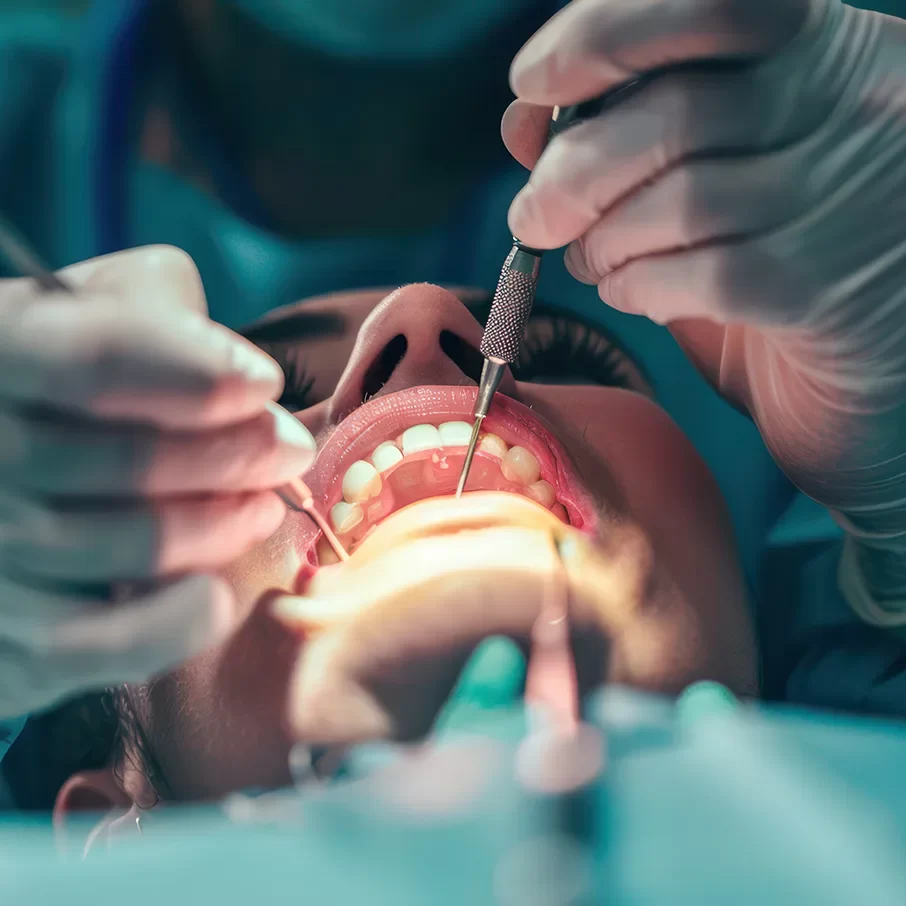
For impacted teeth, a small incision is made in the gum tissue. The tooth may be removed whole or divided into sections for easier removal. The socket is cleaned, and sutures (dissolvable stitches) are often placed.
We provide detailed instructions on managing swelling, controlling bleeding, and preventing dry socket, along with necessary prescriptions for pain management.
The ideal candidates are typically young patients whose roots are still developing, but extraction is recommended for anyone experiencing the following:
Chronic discomfort or swelling in the back of the jaw.
X-rays show the tooth is growing sideways, angled, or stuck beneath the bone.
Recurring infection or inflammation of the gum tissue surrounding a partially erupted tooth.
When a dentist or orthodontist determines the presence of wisdom teeth will compromise the alignment of the front teeth.
Wisdom teeth removal may be recommended when third molars are impacted, causing discomfort, or affecting surrounding teeth. The cost of wisdom teeth removal varies depending on the position of the teeth, complexity of the procedure, and type of anesthesia used.
Dr7 Family Dentistry accepts the Canadian Dental Care Plan (CDCP) for eligible patients. Coverage for wisdom teeth removal under CDCP depends on clinical need and program guidelines. Our team will review your coverage and explain any costs before treatment begins.
For patients without insurance or CDCP coverage, fees are discussed clearly in advance based on your individual treatment plan.
At Dr7 Family Dentistry, our dentists are committed to providing high-quality, patient-focused dental care for individuals and families in Thornhill. We take a thoughtful approach to dentistry, focusing on clear communication, comfort, and treatment plans tailored to each patient’s needs.
Our team has experience across preventive, restorative, cosmetic, and emergency dentistry. We proudly accept the Canadian Dental Care Plan (CDCP) for eligible patients and help guide you through coverage details and treatment options before care begins.

At Dr7 Family Dentistry, we focus on providing reliable, patient-centred dental care for individuals and families in Thornhill. Our approach is built on clear communication, thoughtful treatment planning, and consistent care that supports long-term oral health.
Our clinic uses up-to-date dental technology to support accurate diagnoses, efficient treatment, and patient comfort during every visit.
Our dentists and clinical staff bring experience across preventive, family, restorative, cosmetic, and emergency dentistry. We take the time to assess your needs carefully and explain treatment options clearly.
We accept most dental insurance plans and proudly participate in the Canadian Dental Care Plan (CDCP) for eligible patients. Our team explains coverage and costs in advance so you can make informed decisions with confidence.
We offer flexible scheduling and emergency dental appointments when available to help address urgent dental concerns without unnecessary delays.


The ideal time is typically between the ages of 17 and 25, before the roots are fully developed and the jawbone is less dense. Recovery tends to be faster and easier for younger patients.
Most patients require 3 to 5 days off from work or school. Swelling and discomfort peak around 48 hours and typically subside within a week.
A dry socket occurs when the blood clot dislodges from the extraction site, exposing the bone and nerves, causing intense pain. Prevention is key: DO NOT smoke, use a straw, spit forcefully, or consume crunchy foods for at least 72 hours after surgery.
We offer Local Anesthesia (numbing the area), Nitrous Oxide (minimal sedation), Oral Sedation (moderate grogginess), and IV Sedation (deep relaxation, often used for removing all four teeth at once).