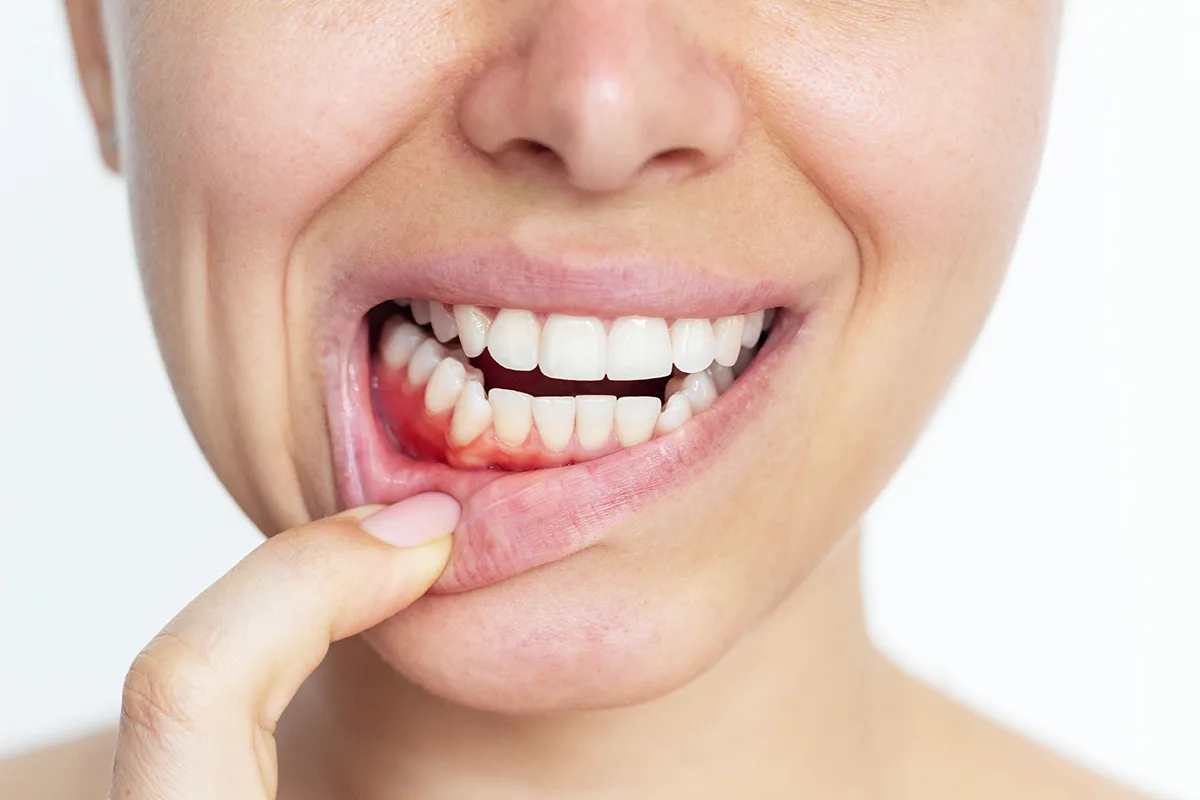
Gum Disease (Periodontitis) is a serious, progressive infection that damages the soft tissues and, if left untreated, destroys the bone that supports your teeth. At Dr 7 Family Dentistry, we specialize in comprehensive Gum Disease Therapy to stop the infection, eliminate bacteria, and halt the damaging progression of the disease. Our priority is restoring the health of your gums, preserving your bone structure, and protecting your teeth from mobility and eventual loss.
Gum Disease Therapy, or Periodontics, is a specialized field focused on preventing, diagnosing, and treating conditions affecting the gums and jawbone. Treatment protocols vary based on the stage of the disease:
Our primary non-surgical treatment is Scaling and Root Planing.
Deep cleaning eliminates the harmful bacteria and calcified tartar (calculus) that collect beneath the gum line, stopping the destruction of bone and tissue.
Removing the bacteria responsible for infection is the definitive cure for chronic halitosis (bad breath).
By preserving the jawbone and stabilizing the supporting tissues, therapy prevents teeth from becoming loose and falling out.
Treating gum disease reduces systemic inflammation and has been linked to better control of chronic conditions like heart disease and diabetes.
Scaling and Root Planing is the standard non-surgical method for treating moderate periodontitis:
We measure the depth of the periodontal pockets. Local anesthesia is administered to numb the gums and tooth roots, ensuring the procedure is comfortable.
The dental hygienist or dentist uses specialized instruments (hand scalers and ultrasonic tools) to meticulously remove plaque and tartar from above and below the gum line, down to the bottom of the pocket.
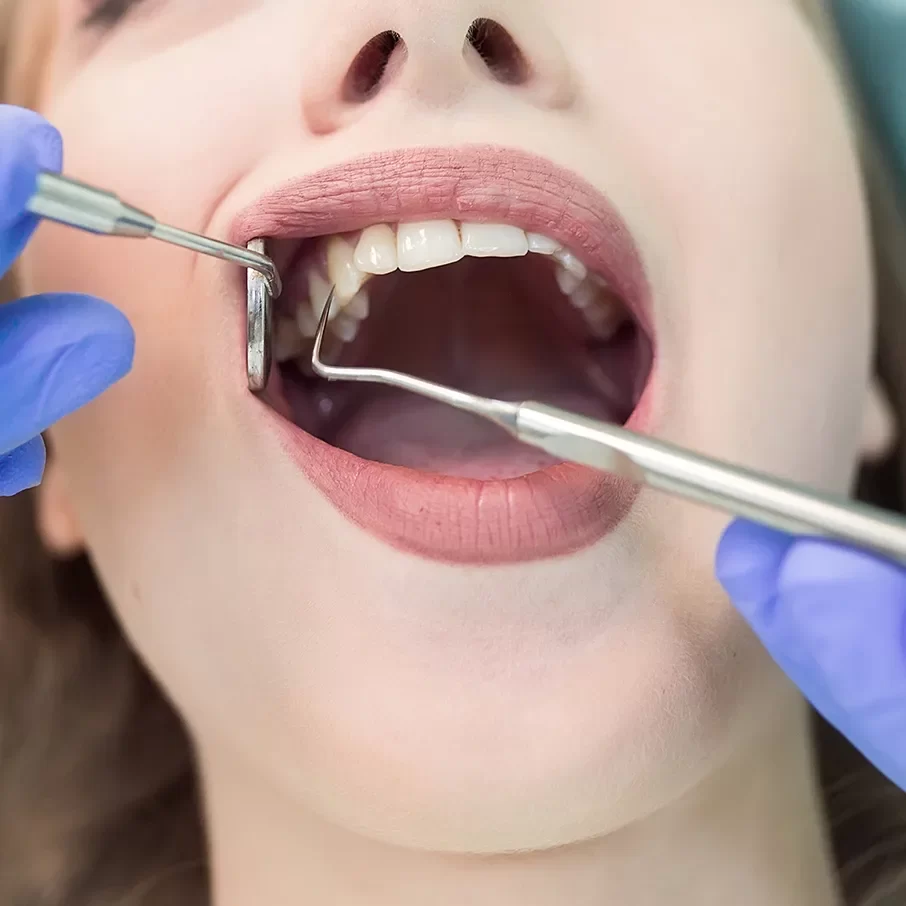
The root surfaces are smoothed (planed) to remove bacteria and toxins. This process helps the gum tissue reattach to a clean, smooth root surface, reducing pocket depth.
After the initial therapy, patients are placed on a Periodontal Maintenance schedule (typically every 3–4 months, instead of 6) for ongoing care to monitor and control the infection.
Therapy is essential for anyone diagnosed with any stage of periodontitis:
Patients with red, swollen, and bleeding gums.
Patients who exhibit periodontal pockets greater than 3mm, which is an indication of bone loss.
Individuals who have visible hard, calcified plaque accumulation beneath the gum line.
Chronic halitosis that does not improve with regular brushing and flossing.
Gum disease therapy focuses on managing inflammation and supporting long-term gum health through personalized periodontal care. Coverage for gum disease treatment varies depending on the stage of the condition and the type of therapy required.
Dr7 Family Dentistry accepts the Canadian Dental Care Plan (CDCP) for eligible patients. Coverage for gum disease therapy under CDCP depends on clinical need and program guidelines. Our team will review your coverage and explain any associated costs before treatment.
For patients without insurance or CDCP coverage, treatment fees are discussed clearly in advance based on the level of care needed.
At Dr7 Family Dentistry, our dentists are committed to providing high-quality, patient-focused dental care for individuals and families in Thornhill. We take a thoughtful approach to dentistry, focusing on clear communication, comfort, and treatment plans tailored to each patient’s needs.
Our team has experience across preventive, restorative, cosmetic, and emergency dentistry. We proudly accept the Canadian Dental Care Plan (CDCP) for eligible patients and help guide you through coverage details and treatment options before care begins.

At Dr7 Family Dentistry, we focus on providing reliable, patient-centred dental care for individuals and families in Thornhill. Our approach is built on clear communication, thoughtful treatment planning, and consistent care that supports long-term oral health.
Our clinic uses up-to-date dental technology to support accurate diagnoses, efficient treatment, and patient comfort during every visit.
Our dentists and clinical staff bring experience across preventive, family, restorative, cosmetic, and emergency dentistry. We take the time to assess your needs carefully and explain treatment options clearly.
We accept most dental insurance plans and proudly participate in the Canadian Dental Care Plan (CDCP) for eligible patients. Our team explains coverage and costs in advance so you can make informed decisions with confidence.
We offer flexible scheduling and emergency dental appointments when available to help address urgent dental concerns without unnecessary delays.


A Regular Cleaning focuses on removing plaque and tartar above the gum line. Deep Cleaning (SRP) involves meticulously cleaning the root surfaces below the gum line to eliminate bacteria and smooth the roots, allowing the gums to reattach.
Unfortunately, gum tissue and bone loss due to periodontitis do not naturally grow back on their own. The goal of therapy is to stop further loss and reduce pocket depth by encouraging the existing tissue to reattach to the tooth root.
Since the area is thoroughly numbed with local anesthesia, you should not feel any pain during the procedure. Mild soreness or sensitivity is common for a few days afterward and is easily managed with over-the-counter pain relievers.
Patients who have undergone deep cleaning usually need to switch to a 3- to 4-month maintenance schedule. This increased frequency is essential to prevent the harmful bacteria from recolonizing the deeper pockets.