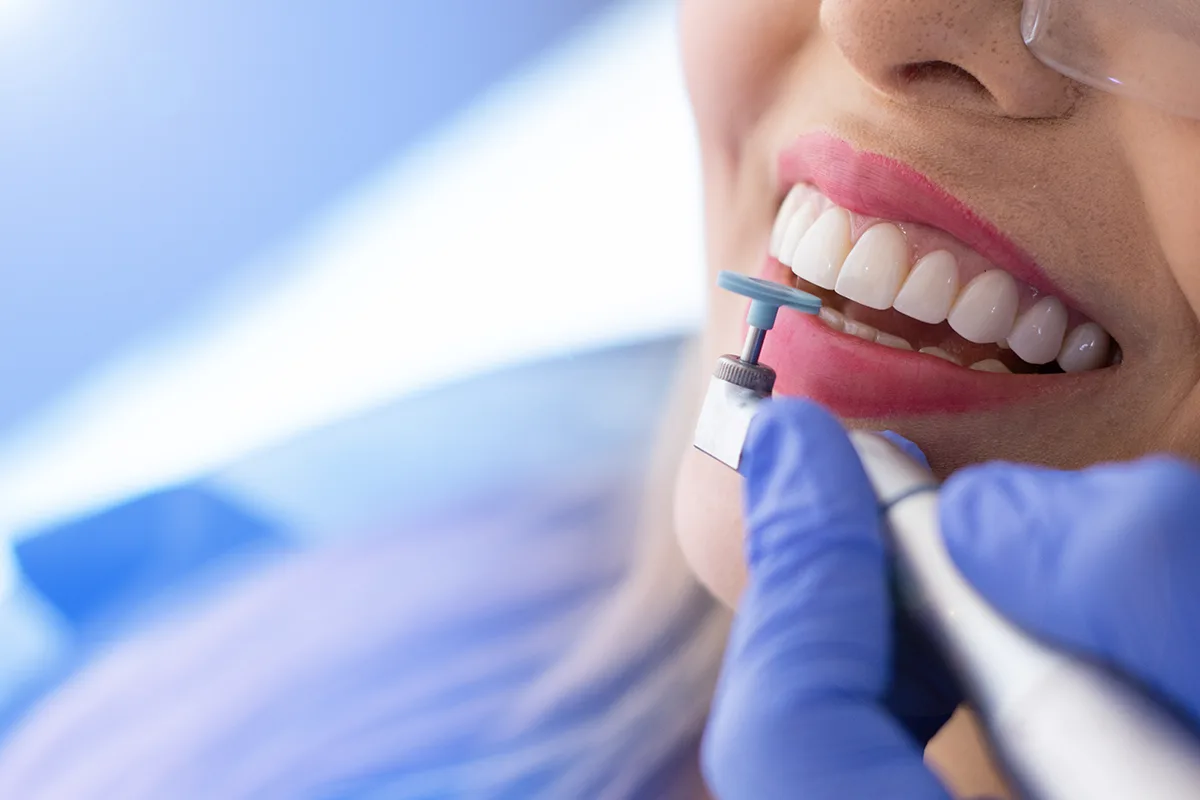
Dental Bonding is one of the most cost-effective and conservative cosmetic solutions available for repairing minor aesthetic flaws like chips, cracks, gaps, and minor discoloration. At Dr 7 Family Dentistry, we use a durable, tooth-colored resin—the same material used for composite fillings—to sculpt, reshape, and restore the natural appearance of your teeth in just a single appointment, often without the need for anesthesia.
Dental bonding is a procedure in which a putty-like, tooth-colored composite resin is applied directly to the tooth, molded and shaped to the desired form, and then hardened (cured) with a high-intensity light. The resin bonds permanently to the tooth structure.
The primary advantages of bonding are its simplicity and speed:
Bonding is an excellent choice for minor cosmetic corrections and for restoring small areas damaged by decay.
Bonding preserves the maximum amount of your natural tooth structure, as preparation is minimal compared to veneers or crowns.
It is typically the least expensive cosmetic treatment option for addressing chips, gaps, and surface irregularities.
The procedure is usually completed in one appointment, making it perfect for patients seeking a fast solution for minor aesthetic concerns.
The composite resin can be precisely matched to the shade of your existing teeth, providing a seamless and aesthetically pleasing repair.
The bonding procedure is straightforward and efficient:
The dentist uses a shade guide to select a composite resin color that perfectly matches your natural tooth. The tooth surface is lightly roughened (etched) and coated with a conditioning liquid to help the bonding material adhere securely.
The soft, putty-like composite resin is applied directly to the tooth. The dentist then expertly molds and shapes the material to achieve the desired contour and appearance.
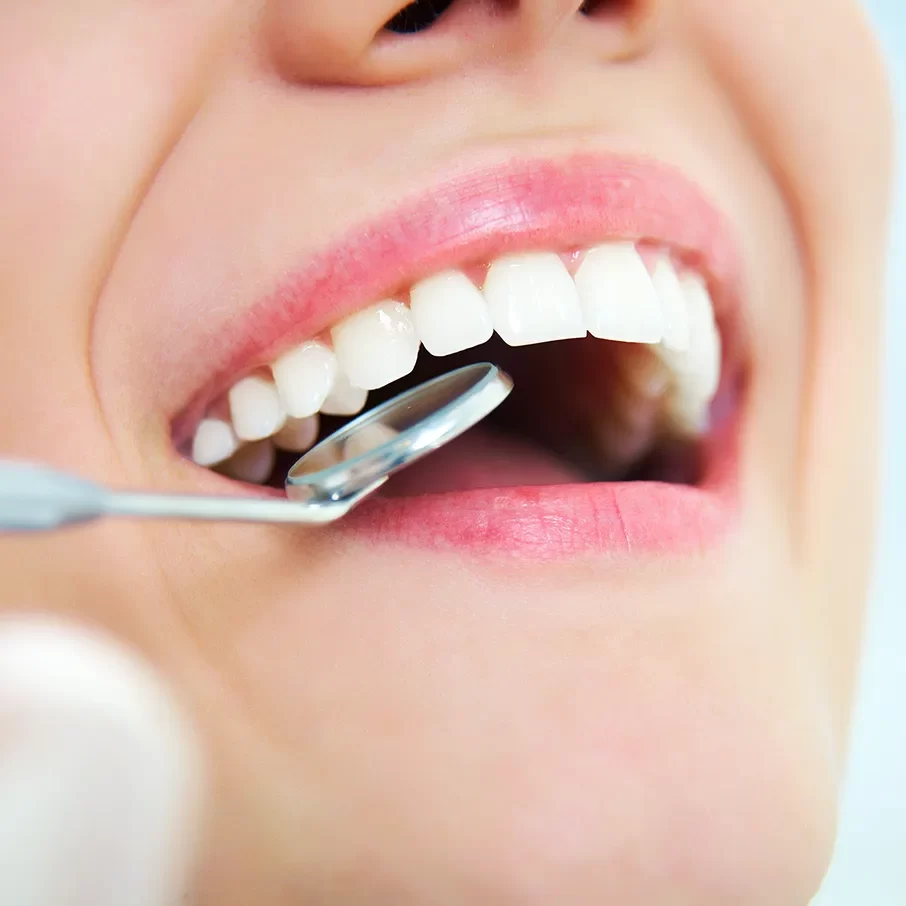
A high-intensity curing light is shined onto the resin, instantly hardening the material and bonding it to the tooth structure.
Once cured, the dentist trims, shapes, and polishes the bonded material until it achieves a smooth, natural-looking finish that matches the surrounding teeth and integrates with your bite.
Bonding is an ideal choice for patients with minor, localized cosmetic issues who seek a conservative and fast fix. Candidates often have:
Minor defects on the edges of the front teeth.
Spaces between teeth that can be conservatively closed by adding resin to the adjacent tooth surfaces.
Teeth that have small surface stains or irregularities that need to be masked.
Where gums have receded, exposing the root surface (dentin) which can be covered and protected by bonding.
Dental bonding is often categorized based on its purpose:
The cost of bonding is significantly less than that of veneers or crowns. Dr 7 Family Dentistry will clearly determine the primary purpose of the bonding and provide a detailed estimate of your cost before any treatment is initiated.
At Dr7 Family Dentistry, our dentists are committed to providing high-quality, patient-focused dental care for individuals and families in Thornhill. We take a thoughtful approach to dentistry, focusing on clear communication, comfort, and treatment plans tailored to each patient’s needs.
Our team has experience across preventive, restorative, cosmetic, and emergency dentistry. We proudly accept the Canadian Dental Care Plan (CDCP) for eligible patients and help guide you through coverage details and treatment options before care begins.
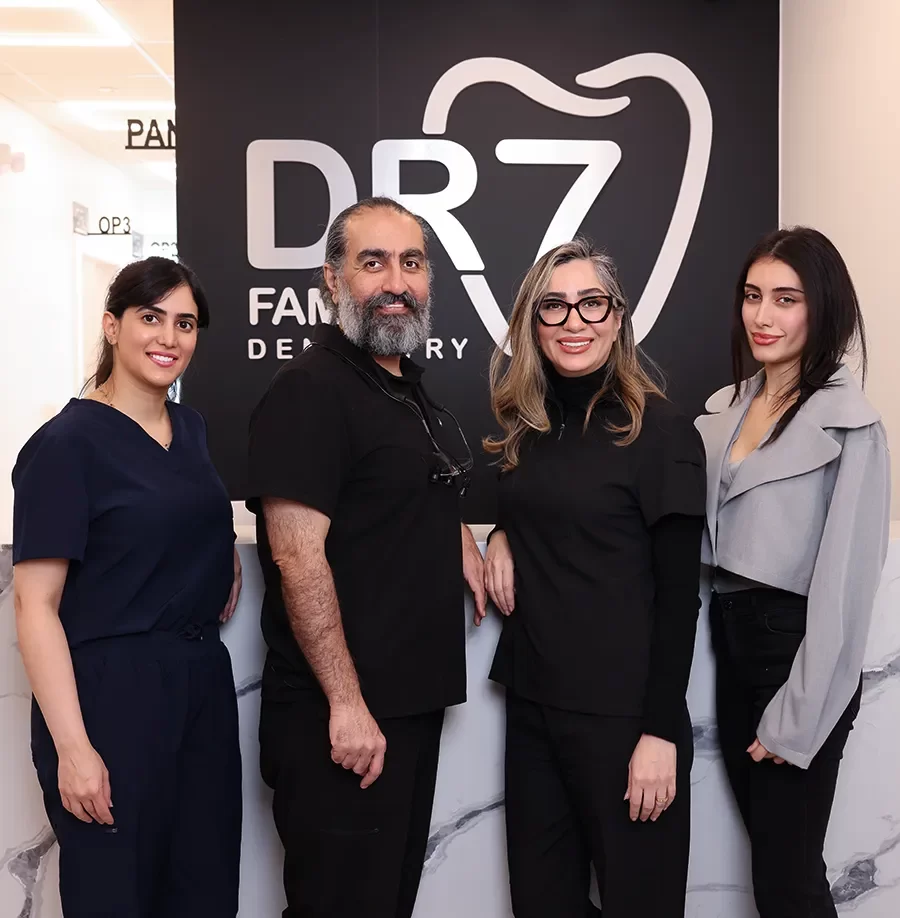
At Dr7 Family Dentistry, we focus on providing reliable, patient-centred dental care for individuals and families in Thornhill. Our approach is built on clear communication, thoughtful treatment planning, and consistent care that supports long-term oral health.
Our clinic uses up-to-date dental technology to support accurate diagnoses, efficient treatment, and patient comfort during every visit.
Our dentists and clinical staff bring experience across preventive, family, restorative, cosmetic, and emergency dentistry. We take the time to assess your needs carefully and explain treatment options clearly.
We accept most dental insurance plans and proudly participate in the Canadian Dental Care Plan (CDCP) for eligible patients. Our team explains coverage and costs in advance so you can make informed decisions with confidence.
We offer flexible scheduling and emergency dental appointments when available to help address urgent dental concerns without unnecessary delays.


No. In most cases, local anesthesia is not even required because the procedure is minimally invasive and involves little to no removal of deep tooth structure.
Bonding typically lasts 5 to 10 years, depending on the location of the restoration, your bite habits, and whether you avoid chewing on hard objects. It is not as durable as porcelain veneers.
Yes. Composite resin is more porous than natural tooth enamel or porcelain veneers and is prone to staining, especially if you regularly consume coffee, tea, or tobacco. Regular touch-ups may be necessary.
Treat them carefully. Avoid biting your fingernails, chewing on pens, or using the bonded area to open packages, as this can cause the resin to chip. Maintain regular brushing and flossing.