
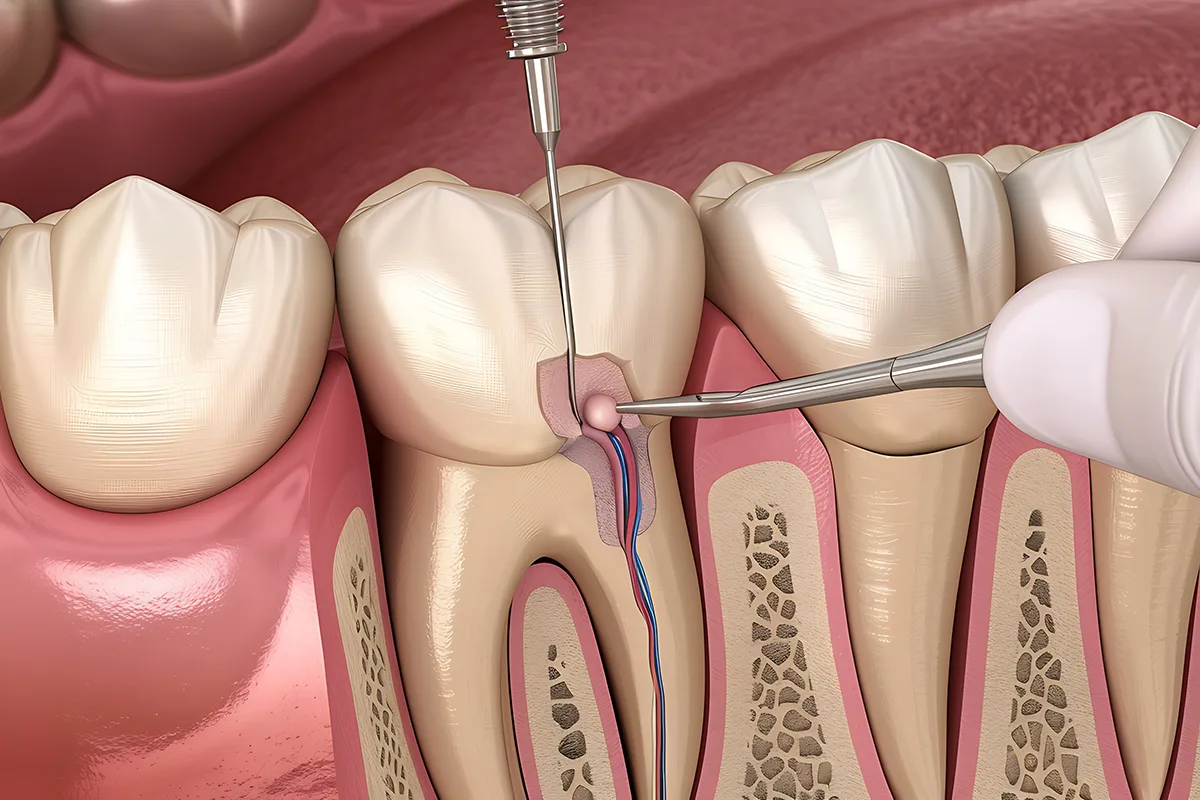
Root Canal Therapy (RCT) is a highly effective, comfortable treatment used to save a tooth whose pulp (nerve and blood vessels) has become deeply infected or inflamed due to severe decay or trauma. At Dr 7 Family Dentistry, we use modern techniques and anesthesia to make this procedure pain-free, eliminating the infection, relieving your pain, and preserving your natural tooth, which is always the best foundation for a healthy smile.
Root canal therapy is the process of removing the infected, inflamed, or necrotic (dead) pulp tissue from the interior of the tooth’s root canals. Once the diseased pulp is removed, the interior of the tooth is thoroughly cleaned, disinfected, shaped, and then sealed with a rubber-like material called gutta-percha.
The entire procedure achieves two critical goals:
Following RCT, the tooth is often brittle and requires a Dental Crown for structural protection.
RCT removes the inflamed nerve, providing definitive relief from the severe toothache caused by the infection.
Preserving your natural tooth ensures your bite remains stable and uniform, supporting your facial structure and preventing the need for complex replacements.
Treating the infection eliminates the risk of a growing abscess, which can destroy the jawbone surrounding the tooth root.
Saving your natural tooth with RCT and a crown is often less costly and less invasive than extracting the tooth and replacing it with a bridge or dental implant.
Root Canal Therapy is performed using precise instruments and effective pain control:
The area is thoroughly numbed with local anesthesia. An X-ray is taken to confirm the diagnosis and visualize the root anatomy. A dental dam is placed to isolate the tooth and keep it clean during the procedure.
A small opening is created in the crown of the tooth to access the pulp chamber. Specialized, flexible instruments (files) are used to meticulously remove the infected pulp and clean the entire length of the root canals.
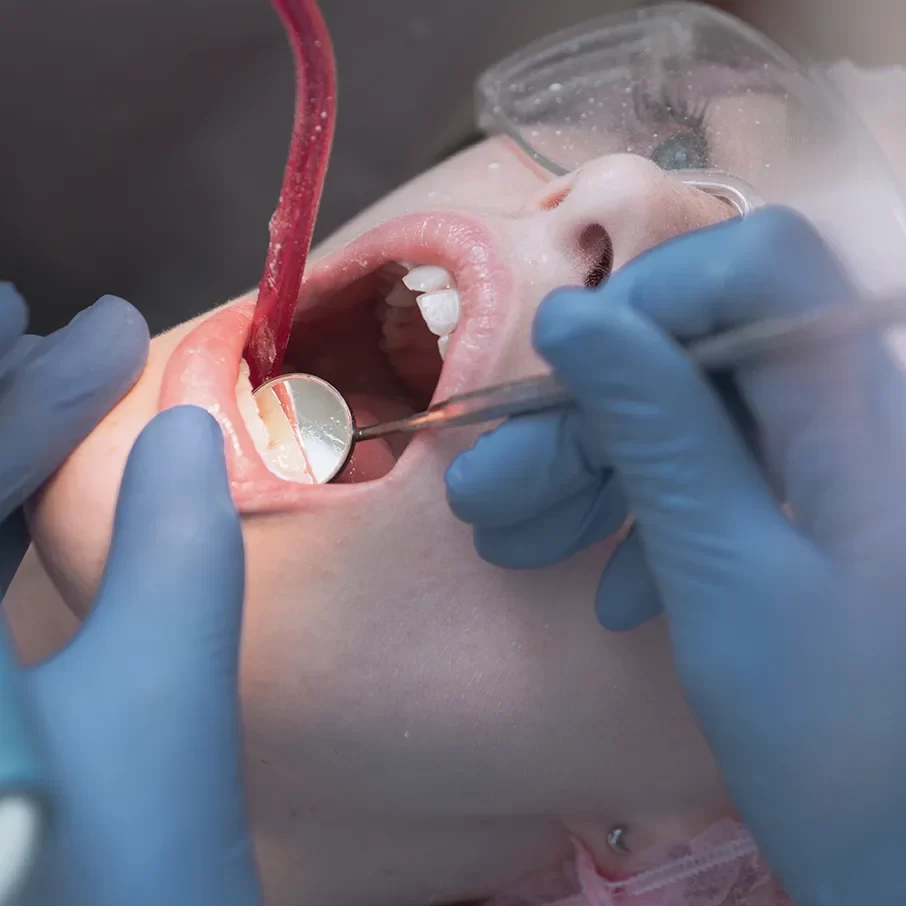
The cleaned canals are shaped and then permanently filled and sealed with gutta-percha to prevent reinfection.
Because the tooth is structurally weakened after RCT, a Dental Crown is usually placed on the tooth during a follow-up appointment to protect it from fracture and restore its full function.
RCT is the necessary treatment when the pulp tissue is compromised by:
A cavity that has reached the inner pulp chamber, causing irreversible inflammation or infection.
A chipped or fractured tooth that has exposed the nerve to bacteria.
Evidence of a painful infection (pocket of pus) at the root tip, visible on X-rays.
Persistent, lingering pain or throbbing, especially when exposed to heat, indicating severe nerve damage.
Root canal therapy is used to treat infection or damage within a tooth and help preserve the natural tooth structure. The cost of treatment varies depending on the tooth involved and the complexity of the procedure. Coverage for root canal therapy differs by insurance plan.
Dr7 Family Dentistry accepts the Canadian Dental Care Plan (CDCP) for eligible patients. Coverage for root canal therapy under CDCP depends on clinical need and program guidelines. Our team will review your coverage and explain any costs before treatment begins.
For patients without insurance or CDCP coverage, fees are discussed clearly in advance as part of your treatment plan.
At Dr7 Family Dentistry, our dentists are committed to providing high-quality, patient-focused dental care for individuals and families in Thornhill. We take a thoughtful approach to dentistry, focusing on clear communication, comfort, and treatment plans tailored to each patient’s needs.
Our team has experience across preventive, restorative, cosmetic, and emergency dentistry. We proudly accept the Canadian Dental Care Plan (CDCP) for eligible patients and help guide you through coverage details and treatment options before care begins.

At Dr7 Family Dentistry, we focus on providing reliable, patient-centred dental care for individuals and families in Thornhill. Our approach is built on clear communication, thoughtful treatment planning, and consistent care that supports long-term oral health.
Our clinic uses up-to-date dental technology to support accurate diagnoses, efficient treatment, and patient comfort during every visit.
Our dentists and clinical staff bring experience across preventive, family, restorative, cosmetic, and emergency dentistry. We take the time to assess your needs carefully and explain treatment options clearly.
We accept most dental insurance plans and proudly participate in the Canadian Dental Care Plan (CDCP) for eligible patients. Our team explains coverage and costs in advance so you can make informed decisions with confidence.
We offer flexible scheduling and emergency dental appointments when available to help address urgent dental concerns without unnecessary delays.


No. The procedure itself is no more uncomfortable than getting a large filling. The purpose of the procedure is to relieve the severe pain caused by the infection, not create more pain.
Most routine root canal therapies are completed in one appointment. A second visit is always required shortly after to fit and cement the protective dental crown.
Most posterior teeth (molars and premolars) that receive RCT require a crown because they bear heavy chewing forces and are structurally weakened by the procedure and previous decay. Crowns are essential for preventing fracture.
Delaying treatment allows the infection to spread, leading to continuous pain, severe swelling, and potential bone loss in the jaw. Eventually, the infection will worsen to the point where the tooth cannot be saved and must be extracted.