
While our primary focus at Dr 7 Family Dentistry is always on saving your natural teeth, sometimes extraction is the necessary step to preserve the health of your entire mouth and stop chronic pain or infection. We ensure that every dental extraction is performed with the utmost gentleness, using effective anesthesia to maximize your comfort, followed by careful planning for your tooth replacement solution.
A dental extraction is the surgical procedure of removing a tooth from its socket in the jawbone. We perform two main types of extractions:
In all cases, we take necessary steps to ensure the area is completely numb before beginning the procedure.
Extraction instantly resolves the sharp, chronic pain associated with deep decay, abscesses, or trauma where the tooth is no longer restorable.
Removing a severely infected tooth prevents bacteria from spreading to the jawbone, adjacent teeth, and potentially other areas of the body.
Surgical removal of impacted wisdom teeth alleviates chronic pressure and pain, and prevents damage to the roots of neighbouring molars.
Removing crowded or compromised teeth creates the necessary space for orthodontic treatment or prepares a site for predictable, stable dental implant placement.
We prioritize a smooth procedure and optimal healing:
We take X-rays (often a 3D scan) to visualize the roots and surrounding bone. We then administer local anesthesia to completely numb the tooth and surrounding area, offering sedation options if needed.
The dentist uses specialized instruments to carefully loosen the tooth from the socket. Simple extractions often take just a few minutes once the area is numb.
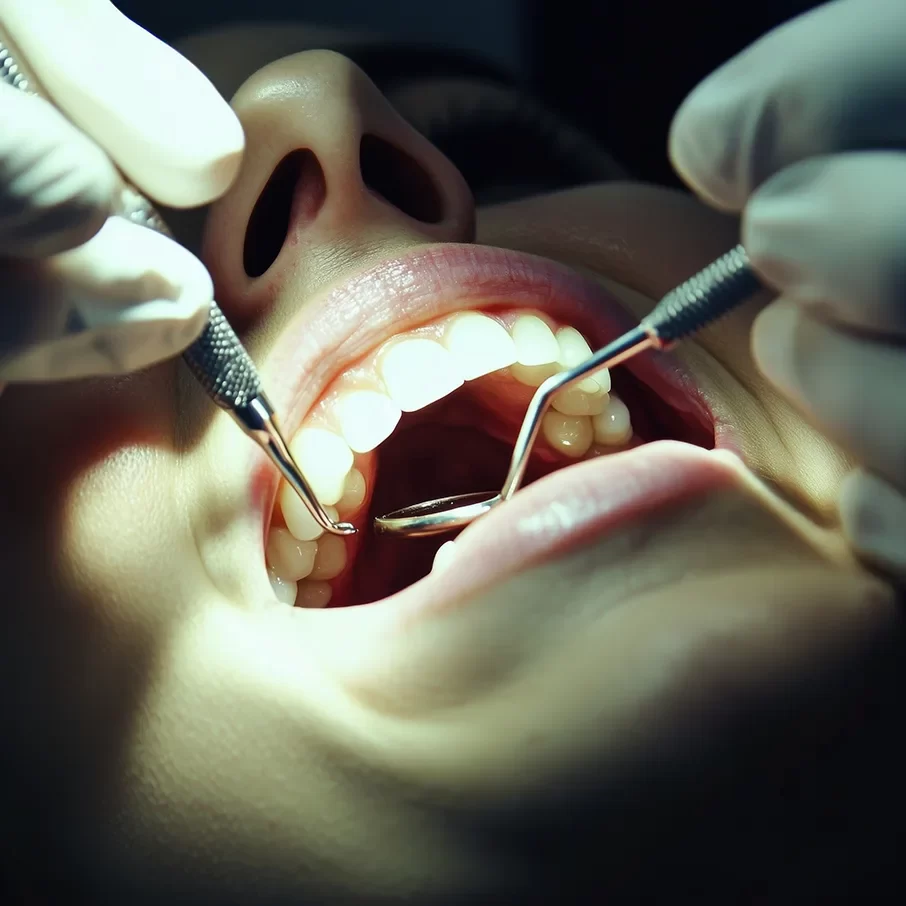
After removal, the dentist cleans the socket thoroughly. We often recommend placing bone graft material (socket preservation) to prevent the bone from collapsing, which is crucial if you plan on receiving an implant later.
The socket may be closed with a few sutures. We provide detailed instructions on controlling bleeding, managing swelling, and preventing dry socket.
Extraction is the final option when other restorative treatments are not viable. You are a candidate if you have:
Decay that has destroyed too much tooth structure to support a crown or filling.
Teeth that are broken vertically or too deep to restore.
Teeth with significant bone loss that are extremely loose and non-functional.
Wisdom teeth that are stuck beneath the gums or primary (baby) teeth that are blocking permanent tooth eruption.
Dental extractions may be recommended when a tooth is severely damaged, infected, or causing ongoing oral health concerns. Coverage for extractions varies depending on the type of extraction and individual insurance plans.
Dr7 Family Dentistry accepts the Canadian Dental Care Plan (CDCP) for eligible patients. Coverage for dental extractions under CDCP depends on clinical need and program guidelines. Our team will review your coverage and explain any costs before treatment begins.
For patients without insurance or CDCP coverage, extraction fees are discussed clearly in advance based on the complexity of the procedure.
At Dr7 Family Dentistry, our dentists are committed to providing high-quality, patient-focused dental care for individuals and families in Thornhill. We take a thoughtful approach to dentistry, focusing on clear communication, comfort, and treatment plans tailored to each patient’s needs.
Our team has experience across preventive, restorative, cosmetic, and emergency dentistry. We proudly accept the Canadian Dental Care Plan (CDCP) for eligible patients and help guide you through coverage details and treatment options before care begins.

At Dr7 Family Dentistry, we focus on providing reliable, patient-centred dental care for individuals and families in Thornhill. Our approach is built on clear communication, thoughtful treatment planning, and consistent care that supports long-term oral health.
Our clinic uses up-to-date dental technology to support accurate diagnoses, efficient treatment, and patient comfort during every visit.
Our dentists and clinical staff bring experience across preventive, family, restorative, cosmetic, and emergency dentistry. We take the time to assess your needs carefully and explain treatment options clearly.
We accept most dental insurance plans and proudly participate in the Canadian Dental Care Plan (CDCP) for eligible patients. Our team explains coverage and costs in advance so you can make informed decisions with confidence.
We offer flexible scheduling and emergency dental appointments when available to help address urgent dental concerns without unnecessary delays.


No. With modern local anesthesia, you should not feel any pain, only pressure during the removal. We will not begin until we are certain you are completely numb.
You must gently bite down on the gauze pad to control bleeding. The most important instruction is to avoid sucking through a straw, smoking, or forceful spitting for at least 48 hours to prevent “dry socket.”
Most patients feel comfortable returning to normal, non-strenuous activities within 24–48 hours. Complete healing of the gum tissue takes about 1–2 weeks.
In most cases, yes. Leaving a gap allows adjacent teeth to shift, affects your bite, and causes bone loss. We recommend replacing the tooth with a dental implant, bridge, or partial denture.