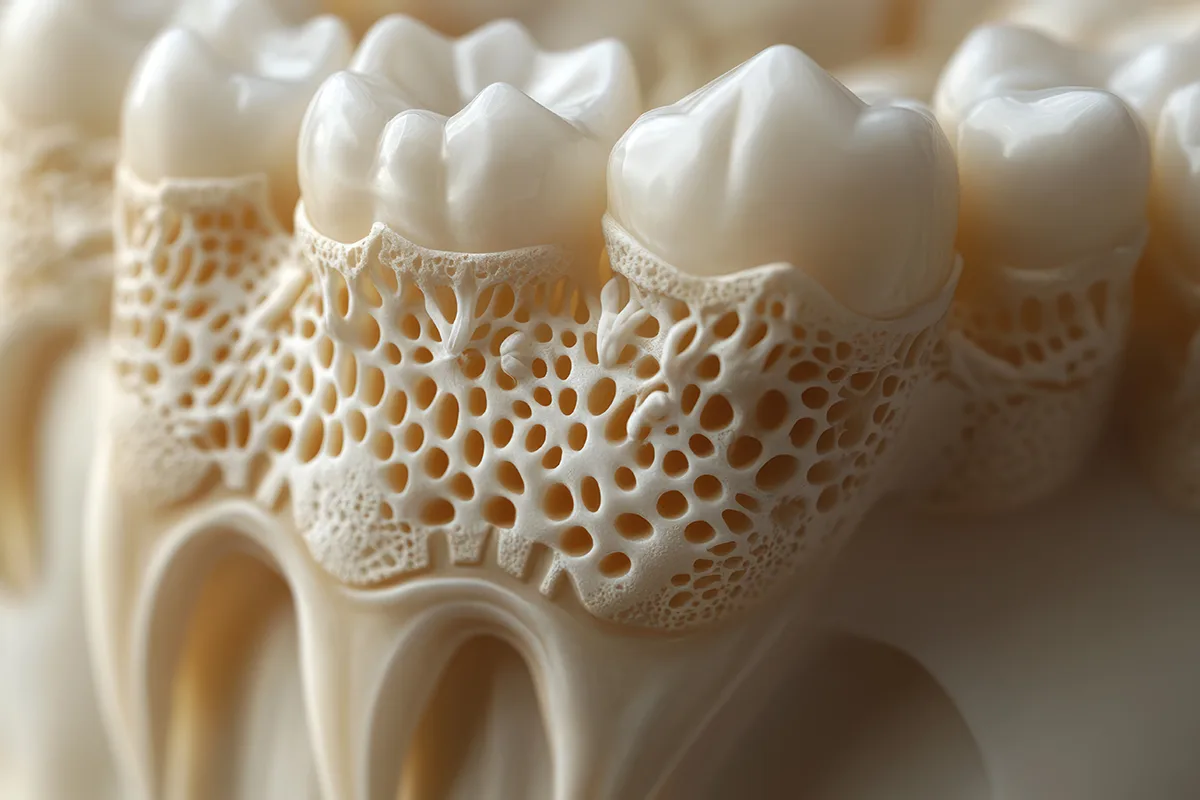
Dental Bone Grafting is a necessary surgical procedure used to rebuild or augment the jawbone when natural bone structure has been lost due to tooth extraction, gum disease, or trauma. This procedure is critical because a stable, sufficient foundation of bone is required to successfully place Dental Implants and maintain the health of surrounding natural teeth. At Dr 7 Family Dentistry, we use advanced, bio-compatible materials to restore the volume and density of your jawbone, ensuring the long-term success of your restorative treatments.
Bone grafting involves transplanting bone material to the area of the jaw that has deteriorated or lost height and width. This grafted material acts as a scaffold, stimulating your body to regenerate its own natural bone cells over time.
We utilize different types of grafting procedures based on the patient’s needs:
The goal of every graft is to create the necessary depth and width of bone to securely anchor dental implants.
Bone grafting restores the necessary volume and density, allowing patients who were previously ineligible for implants due to bone loss to receive this highly stable restorative solution.
It stops the ongoing atrophy (deterioration) of the jawbone after tooth loss, which helps maintain the natural contour of the face, jawline, and lips.
By filling defects, the graft stabilizes the bone surrounding healthy neighboring teeth, preventing them from shifting or becoming loose.
Rebuilding the bone ridge ensures a more natural and aesthetic result when supporting a dental bridge or implant crown, avoiding a "sunken" appearance.
Bone grafting is a precise surgical procedure performed under sterile conditions:
We use 3D CBCT scans to precisely measure existing bone volume and plan the graft site. Local anesthesia is administered, and often IV or oral sedation is offered for patient comfort.
An incision is made in the gum tissue to expose the jawbone defect. The specialized, biocompatible bone graft material (which may be processed human, animal, or synthetic bone) is carefully placed into the deficient area.
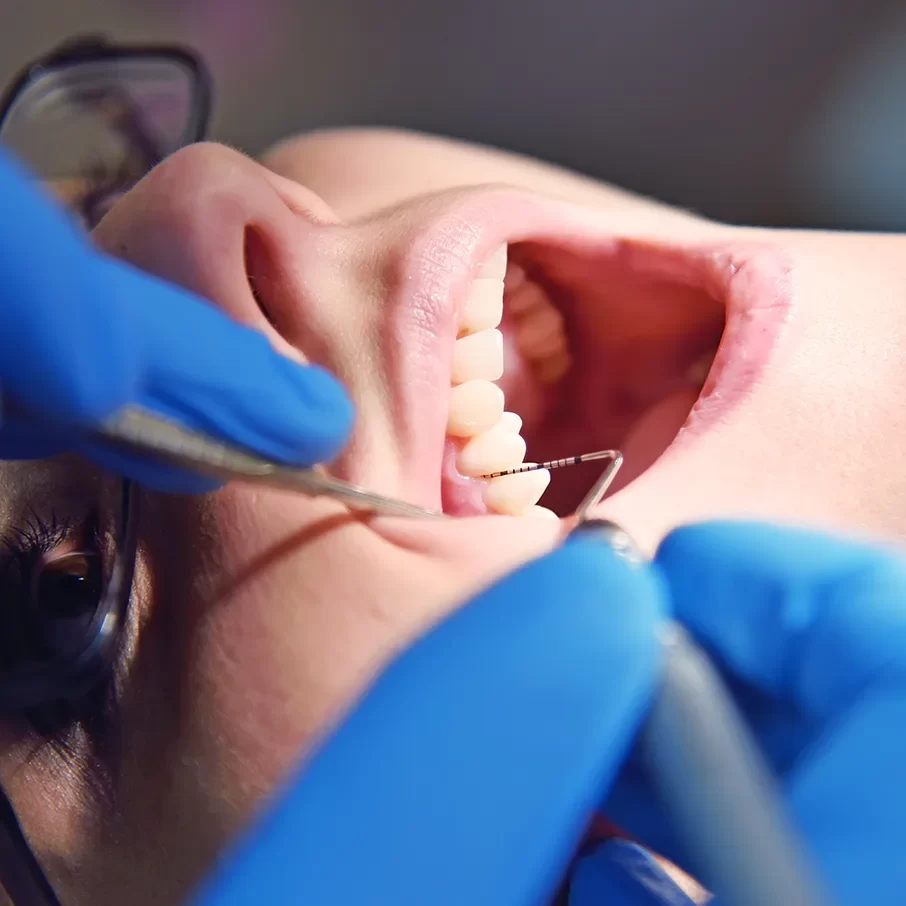
The graft material is often covered with a protective membrane to guide bone growth and keep the graft in place. The incision is then closed with sutures (stitches).
A critical healing period of 4 to 9 months is required. During this time, the body gradually replaces the graft material with its own living, strong bone. Implant placement follows this healing period.
Bone grafting is a necessary precursor to restoration for patients who:
Need implant placement but do not have the required bone height or width, especially in the posterior jaw.
Require immediate Socket Preservation to maintain the bone for future implant use.
Have experienced severe bone loss around teeth due to long-standing gum disease.
Require implants in the upper back jaw where the sinus cavity has dropped, leaving insufficient bone.
Bone grafting may be recommended to support oral health and provide a stable foundation for future dental treatments, such as implants. Coverage for bone grafting varies depending on the procedure, clinical need, and individual insurance plans.
Dr7 Family Dentistry accepts the Canadian Dental Care Plan (CDCP) for eligible patients. Coverage for bone grafting under CDCP depends on program guidelines and medical necessity. Our team will review your coverage and clearly explain any costs before treatment.
For patients without insurance or CDCP coverage, fees are discussed in advance based on the complexity of the procedure.
At Dr7 Family Dentistry, our dentists are committed to providing high-quality, patient-focused dental care for individuals and families in Thornhill. We take a thoughtful approach to dentistry, focusing on clear communication, comfort, and treatment plans tailored to each patient’s needs.
Our team has experience across preventive, restorative, cosmetic, and emergency dentistry. We proudly accept the Canadian Dental Care Plan (CDCP) for eligible patients and help guide you through coverage details and treatment options before care begins.

At Dr7 Family Dentistry, we focus on providing reliable, patient-centred dental care for individuals and families in Thornhill. Our approach is built on clear communication, thoughtful treatment planning, and consistent care that supports long-term oral health.
Our clinic uses up-to-date dental technology to support accurate diagnoses, efficient treatment, and patient comfort during every visit.
Our dentists and clinical staff bring experience across preventive, family, restorative, cosmetic, and emergency dentistry. We take the time to assess your needs carefully and explain treatment options clearly.
We accept most dental insurance plans and proudly participate in the Canadian Dental Care Plan (CDCP) for eligible patients. Our team explains coverage and costs in advance so you can make informed decisions with confidence.
We offer flexible scheduling and emergency dental appointments when available to help address urgent dental concerns without unnecessary delays.


The procedure itself is painless, as it is performed under local anesthesia and often sedation. Mild swelling and discomfort after the surgery are managed with prescribed medications.
The bone needs time to integrate and mature. This waiting period is typically 4 to 9 months, depending on the size and location of the graft. We monitor progress with X-rays.
Most commonly, we use allograft (from a human donor) or xenograft (from a bovine source) materials. These materials are processed to be sterile and safe, acting as a scaffold for your own cells to grow new bone.
Because we primarily use processed, inert materials that serve only as a scaffold (not living tissue), the risk of rejection is minimal. The body accepts the graft as a framework, slowly replacing it with your own natural bone cells.